Robotics in Action | Transforming Key Sectors
We are already witnessing this transformation across multiple sectors:
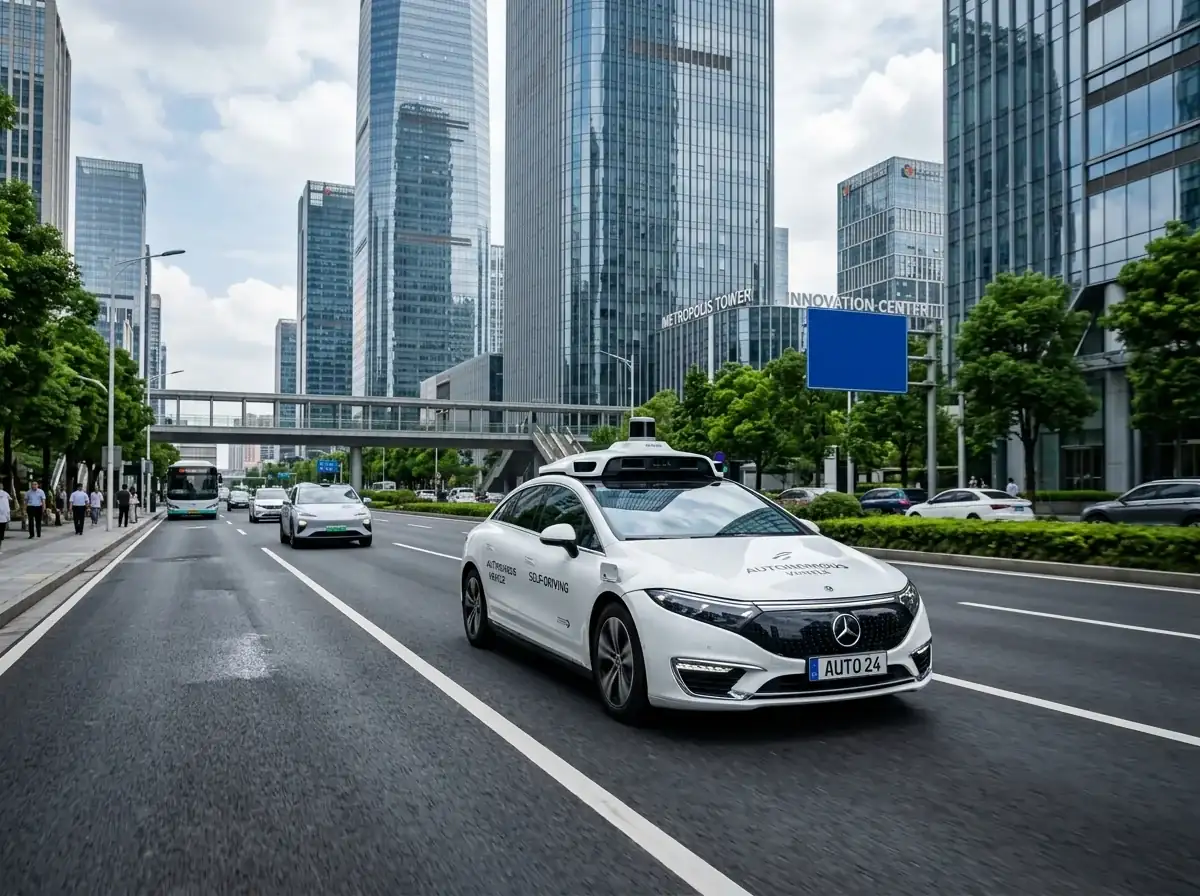
Autonomous Mobility
Self-driving electric vehicles, autonomous shuttle fleets, and mobile robotics leverage real-time 3D LiDAR arrays, ultrasonic radar, and AI computer vision to continuously map urban environments, optimize navigation routes, and eliminate human error on roadways.
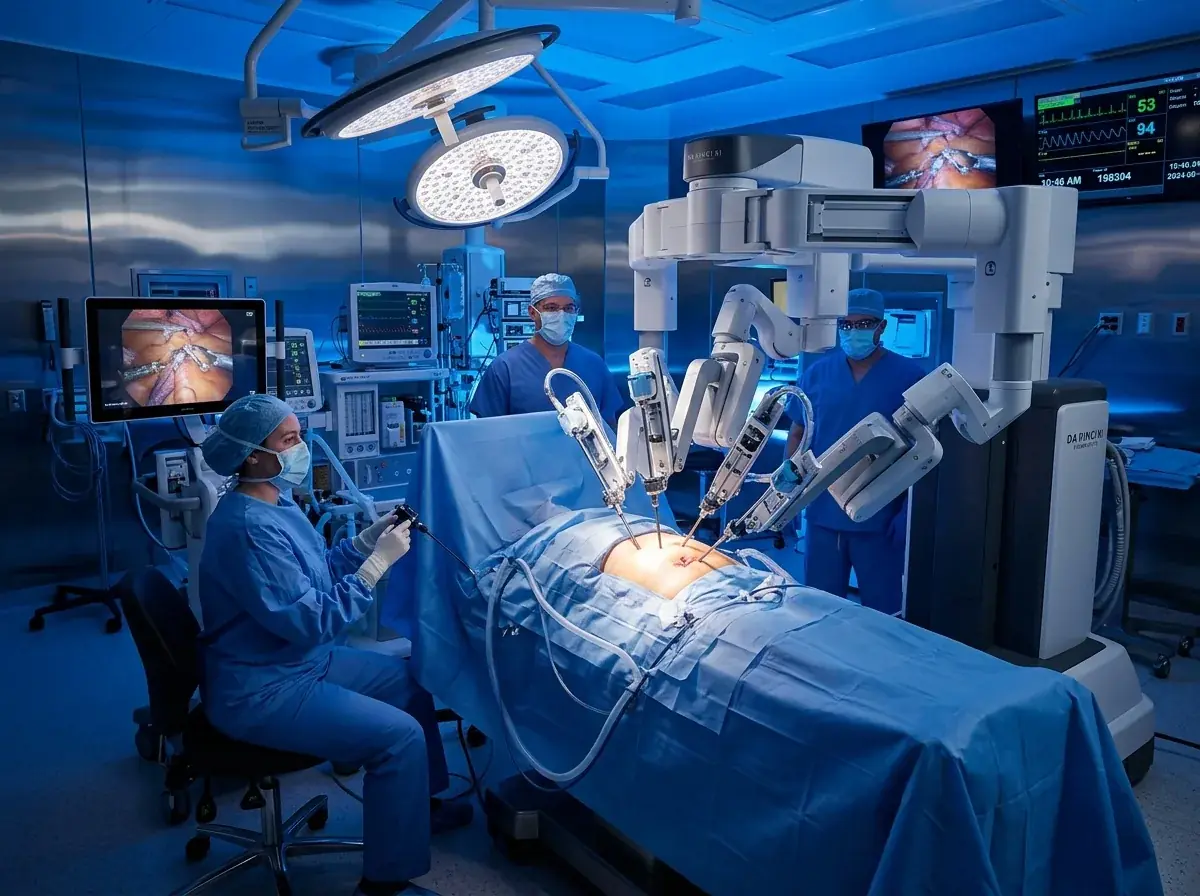
Medicine & Healthcare
Robotic rehabilitation exoskeletons, automated pharmacy dispensing units, and intelligent nurse assistance robots empower medical staff. Integrated biometric sensors enable high-precision patient monitoring and targeted physical therapy routines across healthcare facilities.
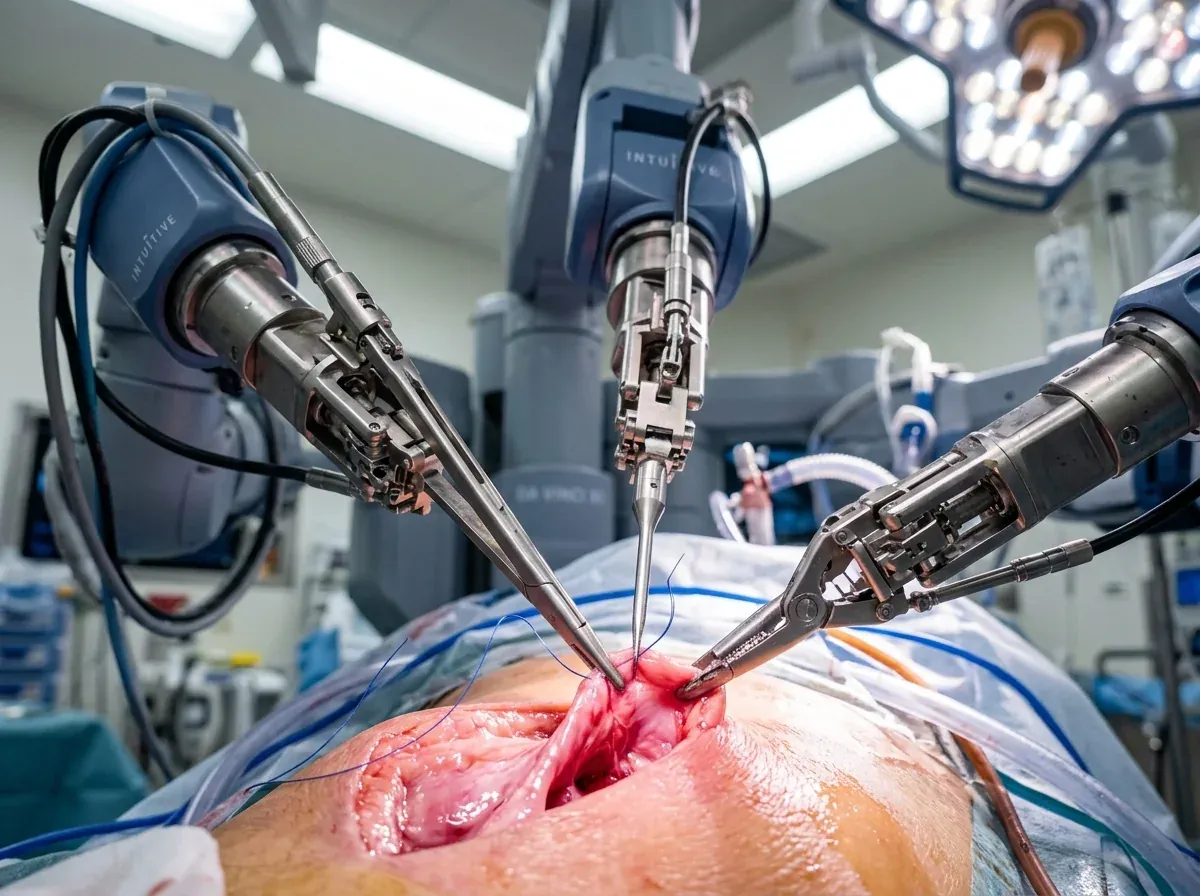
The Future of Surgery
Surgeons manipulate multi-arm robotic surgical systems equipped with tremor-filtering haptic feedback controls and 3D high-definition visualization, executing intricate sub-millimeter tissue operations through keyhole incisions with minimal patient recovery times.
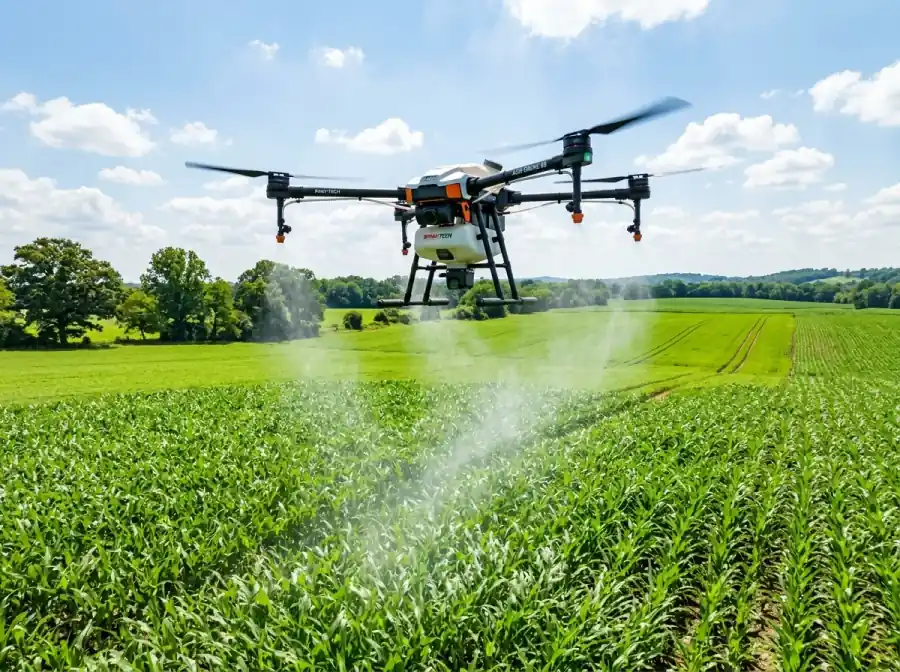
Smart Agriculture
Autonomous robotic tractors, AI harvesting manipulators, and multispectral agricultural drones revolutionize modern crop production. Sensor-guided field robotics monitor soil hydration, perform micro-spraying, and execute automated selective crop harvesting sustainably.
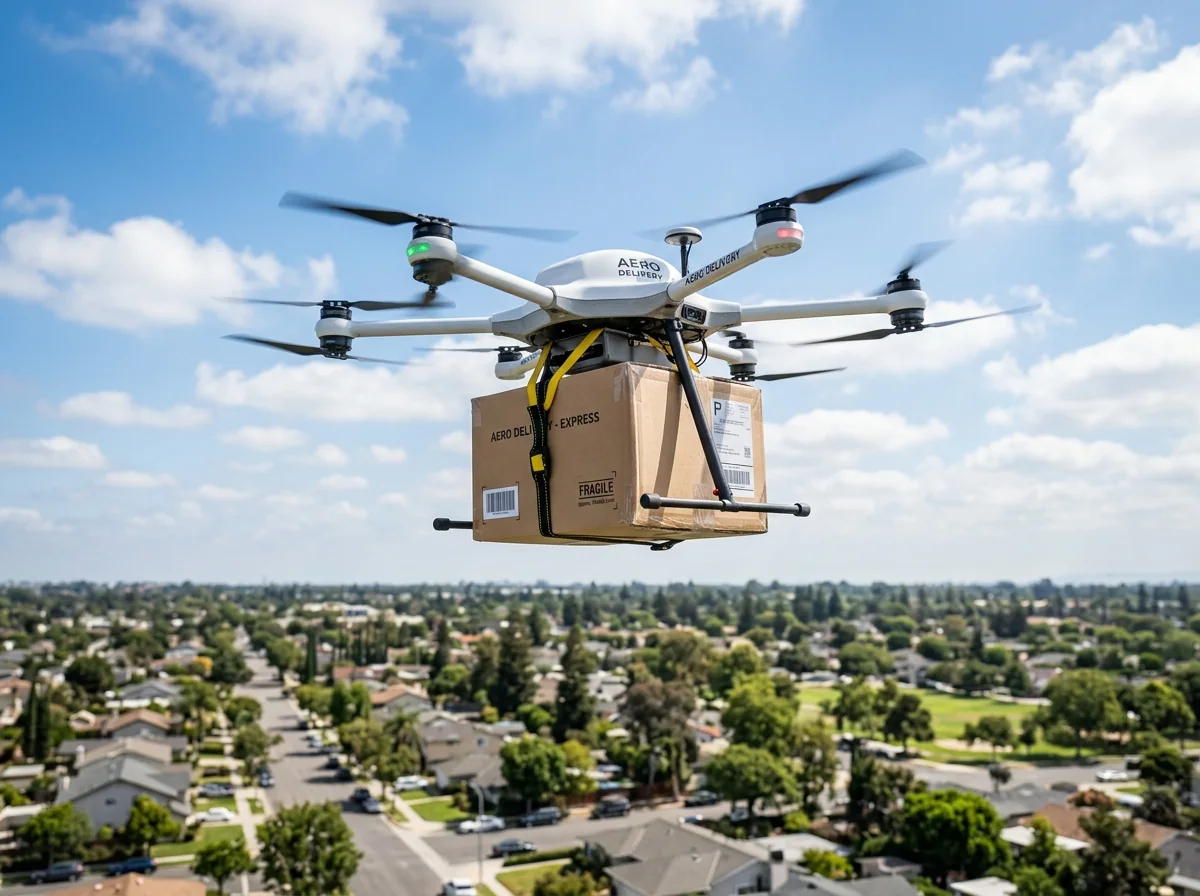
Logistics & Delivery
Autonomous mobile robots (AMRs) and automated sorting fleets streamline high-density fulfillment hubs. Coupled with long-range autonomous delivery drones, these robotic supply chains ensure rapid, low-emission last-mile logistics fulfillment around the clock.

Robotics in Defense
Unmanned aerial vehicles (UAVs), tactical ground quadrupeds, and subsea autonomous units operate in hazardous environments, carrying out tactical surveillance, hazardous material disposal, and critical search-and-rescue relief during extreme emergency crises.